If a business's own AI agent gets your order wrong, the business is liable, in the same way it would be for a mistake by a member of staff. If your own personal agent (such as OpenAI dots or Meta Muse) buys the wrong thing, ordinary UK consumer law still covers the goods and most online orders can be cancelled within 14 days. The weak spot is payments: nobody has yet confirmed whether Section 75 or chargeback covers a purchase an agent made on its own.
If a lot of money is involved, speak to Citizens Advice or a solicitor.
Which kind of AI agent made the mistake?
Liability depends on whose agent was acting. There are two quite different situations.
Situation 1: the shop's agent
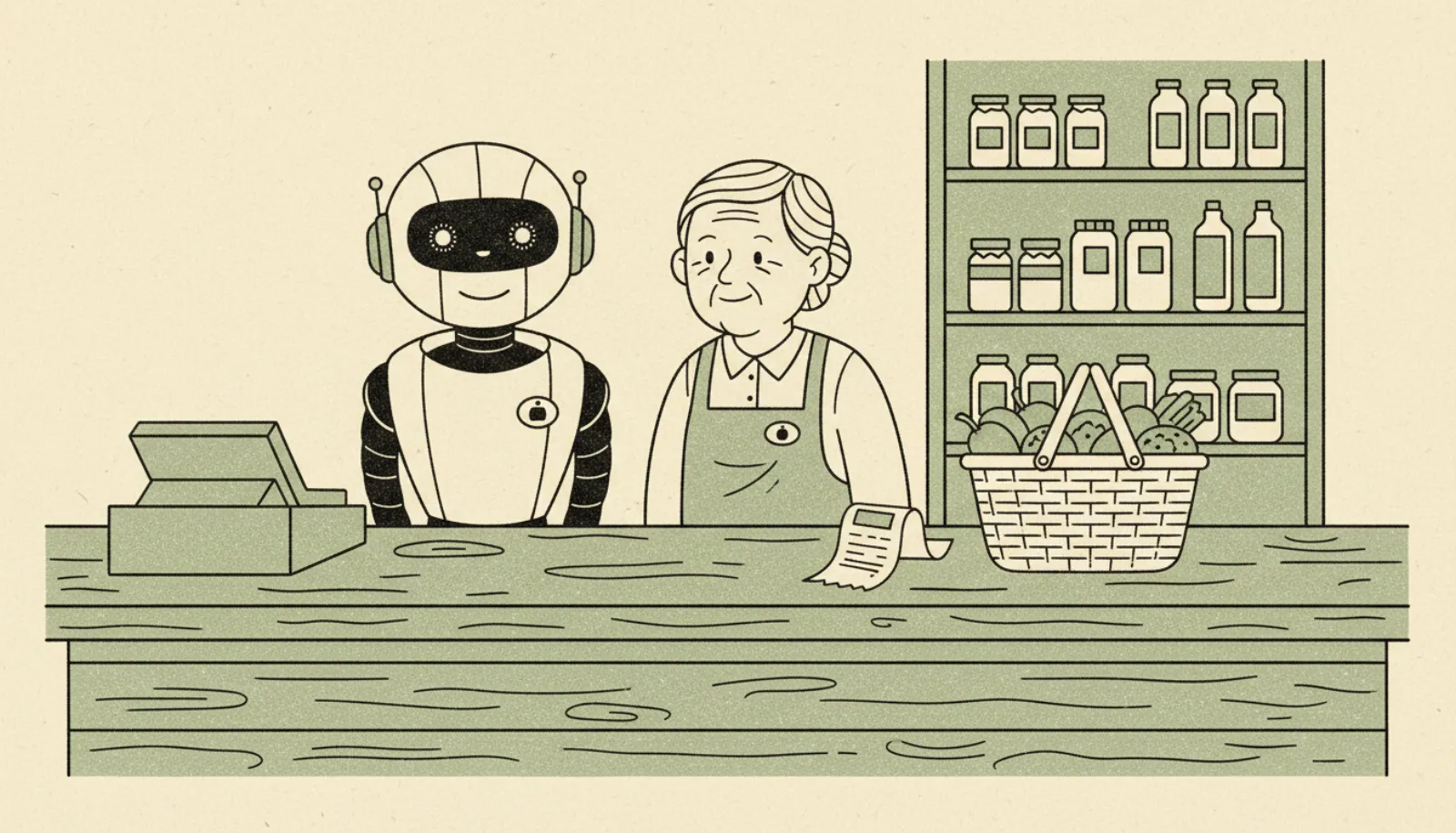
Retailers, banks, energy firms and airlines are starting to put AI agents in front of customers. These agents handle chat support, refunds, rebooking and product recommendations. Here the agent is the business's representative.
The Competition and Markets Authority (CMA) is clear on this. Its business guidance on AI agents, published on 9 March 2026, says: "you are responsible for what an AI agent does in the same way you are responsible for what an employee does." It adds: "This is true even if someone else designed or provides the AI agent on your behalf."
So if a supermarket's chatbot quotes the wrong price, misstates your refund rights or ignores the shop's extended returns policy, that is the supermarket's problem, not yours. The CMA's own worked examples include an agent that gave wrong information about cancellation rights and one that ignored an extended returns policy. Our CMA guidance explainer covers the rest.
Situation 2: your own agent
A personal agent works for you, not the shop. You connect it to your email, calendar and sometimes a payment card, and it buys or books on your behalf. In law, the agent is acting as your tool, so the contract is usually between you and the retailer.
That has two effects:
- Your normal rights over the goods stay intact. The retailer still has to sell goods that match their description and are of satisfactory quality.
- The retailer is not responsible for your agent's judgement. If the listing was accurate and your agent picked the wrong size, colour or date, that is not the seller's breach.
- You set the task
- Your agent picks and pays
- Retailer sells the goods
- Contract is between you and the retailer
What rights do I have if my agent buys the wrong thing?
Two pieces of UK law do most of the work.
The Consumer Rights Act 2015
Under the Consumer Rights Act 2015, goods must be of satisfactory quality, fit for purpose and as described. If an item is faulty, you have a short-term right to reject it within 30 days, then rights to repair, replacement or a price reduction. None of this depends on who clicked "buy". The Act protects consumers dealing with traders, and a consumer using an agent is still a consumer.
The 14-day cancellation right
The Consumer Contracts Regulations 2013 give you 14 days to cancel most online, phone and mail-order purchases, starting the day after delivery for goods. You do not need a reason. This is the right that matters most for agent mistakes, because "my agent ordered the wrong thing" is simply a change of mind.
The usual exceptions apply. You normally cannot cancel:
- personalised or made-to-measure items
- perishable food
- sealed hygiene items once unsealed
- digital content once you have started downloading or streaming it, if you agreed to lose the right
- dated services such as a specific restaurant table, concert ticket or hotel night
That last point matters. Booking travel and tables is one of the main things personal agents do, and fixed-date bookings generally fall outside the 14-day right. The provider's own cancellation terms decide whether you get money back. Our 14-day cancellation guide for agent purchases maps common agent purchases to the right.
| What went wrong | Who is likely responsible | Your main route |
|---|---|---|
| Shop's chatbot quoted the wrong price or terms | The shop (CMA guidance) | Complain to the shop; Citizens Advice; CMA or Trading Standards |
| Your agent bought the wrong item from an accurate listing | You | 14-day cancellation for most online goods |
| Item arrived faulty or not as described | The seller | Consumer Rights Act 2015: reject, repair, replace or refund |
| Your agent booked the wrong hotel date | You | Provider's own cancellation terms (no statutory 14-day right) |
| Your agent was tricked into paying a scam site | Unclear | Contact your bank fast; possible card or fraud protections |
| Agent spent money you never authorised | Unsettled | Bank or card issuer dispute; agent provider's terms |
As of November 2026. General information only.
Does Section 75 or chargeback protect agent purchases?
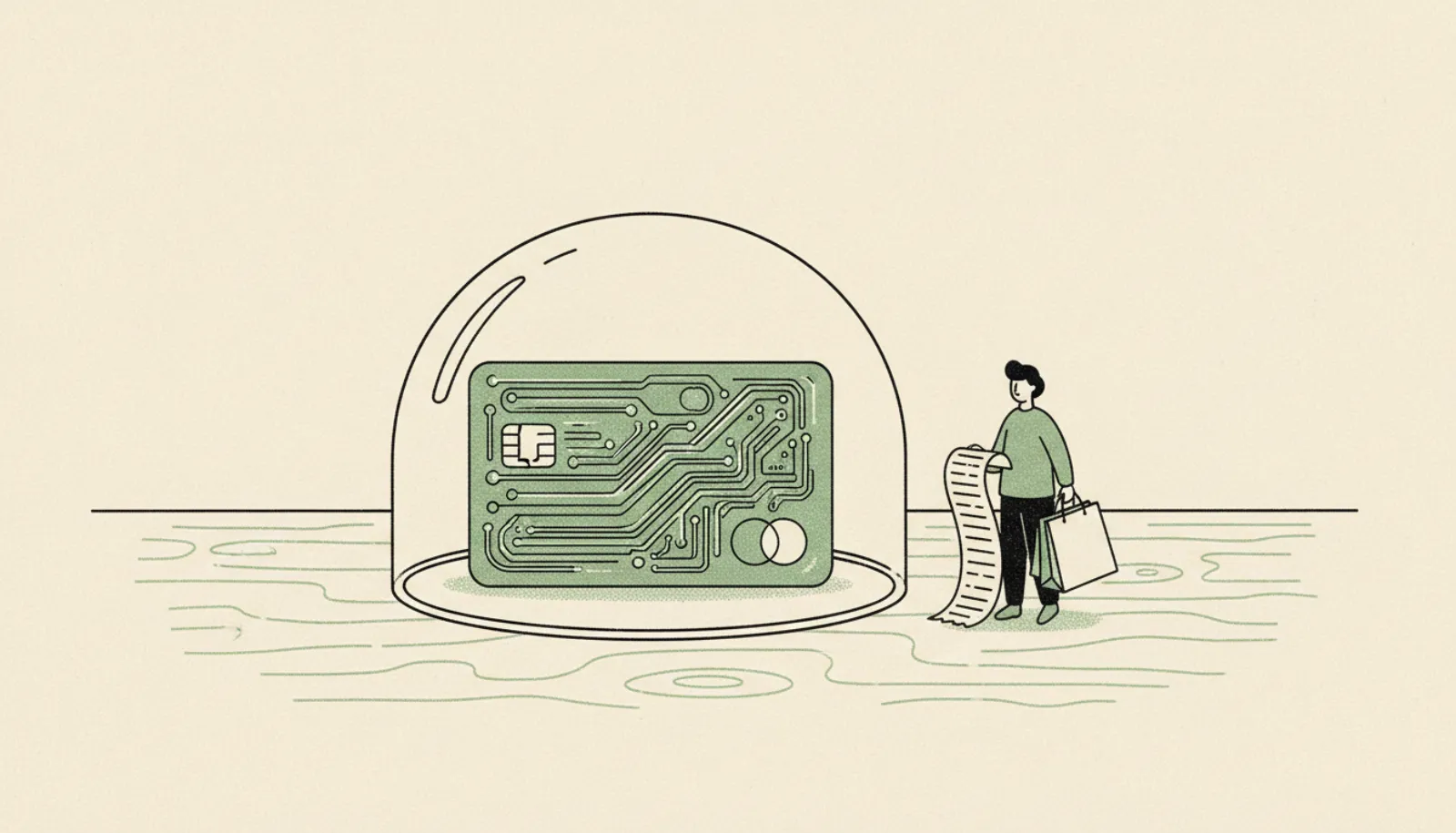
This is where the law runs out. Section 75 of the Consumer Credit Act 1974 makes your credit card provider jointly liable with the seller for purchases over £100 and up to £30,000. Chargeback is a card-scheme process for debit and credit cards. Both were designed for purchases a person approves.
Which? has asked whether these protections apply to purchases made on an AI platform or following an AI recommendation, according to Boyes Turner. No CMA or FCA answer has been published. The FCA's Mills Review noted that the current payments rulebook "assumes a human approves each transaction", and industry commentary from The Payments Association calls agentic-commerce liability "unresolved".
In practice, if you approved the payment in your agent's prompt, it looks like an ordinary card purchase and Section 75 should work in the normal way for a seller's breach. The grey area is a payment your agent made without a fresh approval, or one it was manipulated into making. Our Section 75 guide goes into detail, and FCA work on agentic payments explains what HM Treasury and the FCA are working on.
- Cancellation right for most online goods
- 14 days
- Short-term right to reject faulty goods
- 30 days
- Section 75 purchase range
- Over £100, up to £30,000
- Maximum CMA fine as a share of worldwide turnover
- 10%
What do UK regulators say about AI agent liability?
On 30 October 2026, the four regulators in the Digital Regulation Cooperation Forum (CMA, FCA, ICO and Ofcom) issued a joint statement, "Protecting people and businesses in an agentic AI economy". It says: "We want to be explicit that existing legal and regulatory frameworks apply to personal AI agents." The statement names fraud and scams, unexpected data sharing and misleading recommendations as the main risks. Our DRCF statement explainer covers it in full.
The CMA's research paper, Agentic AI and consumers, also warns that agents may be optimised "for engagement, conversion, or other commercial objectives" rather than for you. If a shopping agent steers you towards a sponsored product without saying so, that could be a misleading practice under the Digital Markets, Competition and Consumers Act 2024. The CMA can now fine businesses directly, up to 10% of worldwide turnover.
How do I protect myself before an agent spends money?
Most disputes can be avoided by setting your agent up carefully. The big agents already ask for approval: Claude Duet requires approval before payments and blocks money transfers outright, and Meta Muse asks before purchases. We compare these rules in detail on our sister site's approval rules comparison.
- Keep approvals onNever switch on "always allow" for purchases, even for small amounts.
- Pay by credit cardFor items over £100, a credit card gives you the strongest chance of Section 75 cover.
- Use a spending limitA virtual or low-limit card caps the damage from a mistake or a scam.
- Keep the recordScreenshot the agent's task log and confirmation before you approve.
- Act within 14 daysIf the agent got it wrong, cancel in writing straight away.
Our AI agent safety guide has a fuller checklist.
What should I do if something has already gone wrong?
- Contact the seller in writing. Say you are cancelling under the Consumer Contracts Regulations, or rejecting faulty goods under the Consumer Rights Act.
- If it was the shop's agent, point out that the CMA's guidance makes the business responsible for its agent.
- If money left your account without your approval, call your bank or card provider the same day. Speed matters for fraud and chargeback claims.
- Contact the agent provider. Their terms set out what happens when the agent acts outside your instructions.
- Escalate to Citizens Advice (which passes reports to Trading Standards), the Financial Ombudsman Service for bank or card disputes, or a small claims court.
Bottom line
If a business's agent makes the mistake, the business is liable. If your agent makes it, you are protected over the goods but not over your agent's choices. For payments made without your fresh approval, the law is unsettled. Until HM Treasury and the FCA publish their agentic-payments framework, keep approvals on and pay by credit card. For the wider picture, see our hub on personal AI agents in the UK.