The GOV.UK AI assistant is a government-run AI helper that the Department for Science, Innovation and Technology (DSIT) commissioned from Anthropic in January 2026. It starts with job seekers, helping them find the right support and services on GOV.UK. It is a guide, not an agent that applies for things on your behalf, and it is separate from Anthropic's consumer agent Claude Duet, which is not available in the UK.
This explainer is based on government and Anthropic announcements plus press coverage.
What is the GOV.UK AI assistant?
On 27 January 2026, Anthropic announced that DSIT had chosen it to build an "agentic" assistant to help people navigate GOV.UK services, starting with people looking for work (Anthropic, HTN).
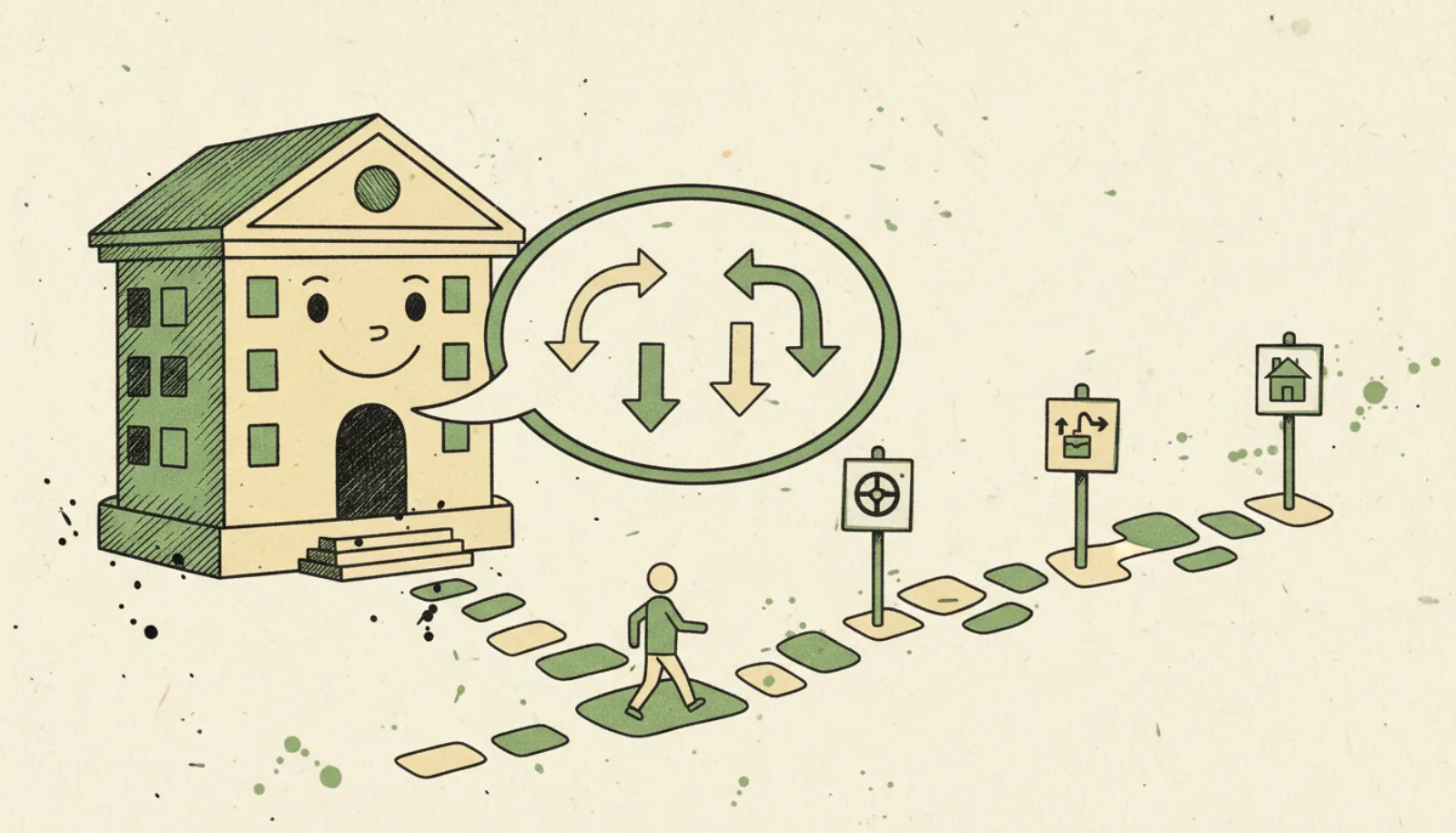
"Agentic" here means more than a search box. The idea is an assistant that can understand your situation, ask follow-up questions and walk you through several connected steps across different parts of GOV.UK, rather than handing you a list of links.
The assistant is still a pilot under DSIT's "Scan, Pilot, Scale" approach. Do not confuse it with GOV.UK Chat, the experimental chatbot built in-house by the Government Digital Service (GDS). GDS said on 19 August 2026 that "GOV.UK Chat is available to app users" (Inside GOV.UK). GDS names no model provider for Chat and has published no user figures, so treat claims that it is "Claude-powered", or that it has hundreds of thousands of users, with caution.
- Government announces trials of optional AI agents for life admin
- Anthropic announces DSIT pilot of an agentic GOV.UK assistant
- Partnership details reported, job seekers first
- GDS says GOV.UK Chat is available in the GOV.UK app
- Earliest stated date for possible national rollout of life-admin agents
What can it help with?
The first published focus is employment support: helping job seekers understand which services, schemes and next steps apply to them.
- You describe your situation
- GOV.UK assistant asks follow-up questions
- Points you to the right services
- You complete the form or apply yourself
What it is designed to do, based on the announcements:
- Explain which government services fit your circumstances.
- Help you move between related services without starting over.
- Answer questions in plain language, based on GOV.UK content.
What can't it do?
That matters for two reasons. First, government decisions about benefits, tax or immigration carry legal consequences, and the government has not announced handing those to an AI. Second, the Data (Use and Access) Act 2025, whose main data provisions took effect on 5 February 2026, sets out safeguards for automated decision-making, especially for significant decisions.
It also does not replace other services:
- HMRC: we found no agentic HMRC features. See can an AI agent do your Self Assessment.
- NHS: the NHS App is getting its own AI triage tool, separate from GOV.UK. See AI and the NHS App.
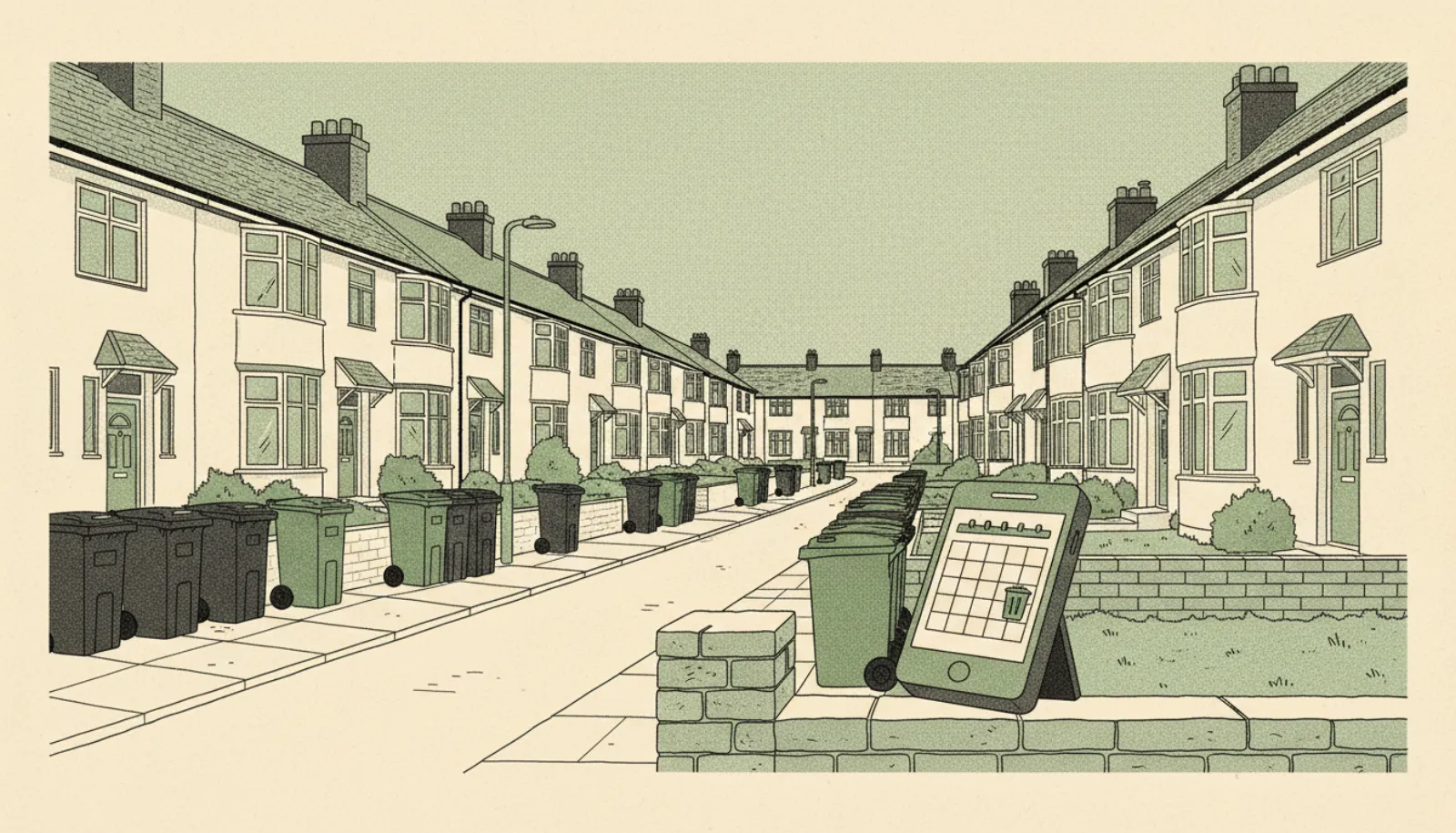
- Councils: bins, parking and council tax are run locally, not on GOV.UK. See AI agents and council services.
The bigger plan: AI agents for life admin
The GOV.UK assistant sits alongside a wider idea. On 16 August 2025 the government announced trials of optional AI agents that could handle life admin, such as moving home: updating your driving licence, registering with a new GP and updating the electoral roll. It said national rollout is possible "from late 2027" (GOV.UK). The first trial covers careers coaching for young people, and the announcement does not name Anthropic, so treat it as a separate project from the assistant above.
That would be a significant step, because those tasks cross several departments and the NHS. Until then, our moving home with an AI agent checklist explains what a general agent can and cannot do for you today.
How does it compare with other UK public-sector AI?
The GOV.UK assistant is one of several AI projects across UK public services, and they are moving at different speeds:
- GOV.UK: an agentic assistant pilot built with Anthropic, starting with job seekers, plus GDS's own GOV.UK Chat in the GOV.UK app.
- NHS App: a separate AI triage tool, run by the NHS rather than DSIT.
- HMRC: we found no announced agentic features for Self Assessment or other tax services.
- Councils: some councils use chatbots on their own websites, but there is no national council agent.
What they share is that none of them, as far as we found, lets an AI submit official applications or make decisions without a person checking. That cautious approach fits the joint statement from the CMA, FCA, ICO and Ofcom on 30 October 2026, which said existing law already applies to personal AI agents and named misleading recommendations and unexpected data sharing as key risks.
Is it the same as Claude Duet?
No, and the naming can confuse. Both involve Anthropic, but they are different products:
| GOV.UK AI assistant | Claude Duet | |
|---|---|---|
| Who runs it | UK government (DSIT) | Anthropic |
| What it does | Guides you through GOV.UK services | Personal agent across your email, calendar and tasks |
| UK availability (as of November 2026) | Pilot, starting with job seekers | No; US-only research preview |
| Price | Free public service | Included in US Claude Pro, Max and Ultra during preview |
| Can it act for you? | No published ability to submit forms | Yes, with approval gates |
If you are waiting for Duet, see Claude Duet in the UK. The US hub has a full Claude Duet review.
What about privacy?
A government AI assistant that understands your circumstances will process personal data, and UK GDPR applies in full. The ICO has said agentic processing remains "fully subject to UK GDPR obligations" and has flagged risks such as agents using more data than a task needs (Inside Privacy).
Practical points:
- Do not paste National Insurance numbers, passwords or bank details into any chat unless the official service explicitly asks for them in a secure form.
- Check that you are on a genuine gov.uk address or the official GOV.UK app. Scammers imitate government services.
- You have the right to ask a government department what personal data it holds about you. See ICO data rights for AI agents.
Bottom line
The GOV.UK AI assistant is the UK's most prominent public-sector use of agentic AI so far. It is built with Anthropic, it starts with job seekers, and it is designed to guide you to the right service rather than act for you. The bigger change, government-backed agents that handle life admin across departments, is still in trials, with late 2027 the earliest date given for a national rollout.